Mastering the Zettelkasten Method: A Guide to Efficient Note-Taking
Dec 23, 2024
Understanding Zettelkasten: Origins and Basics
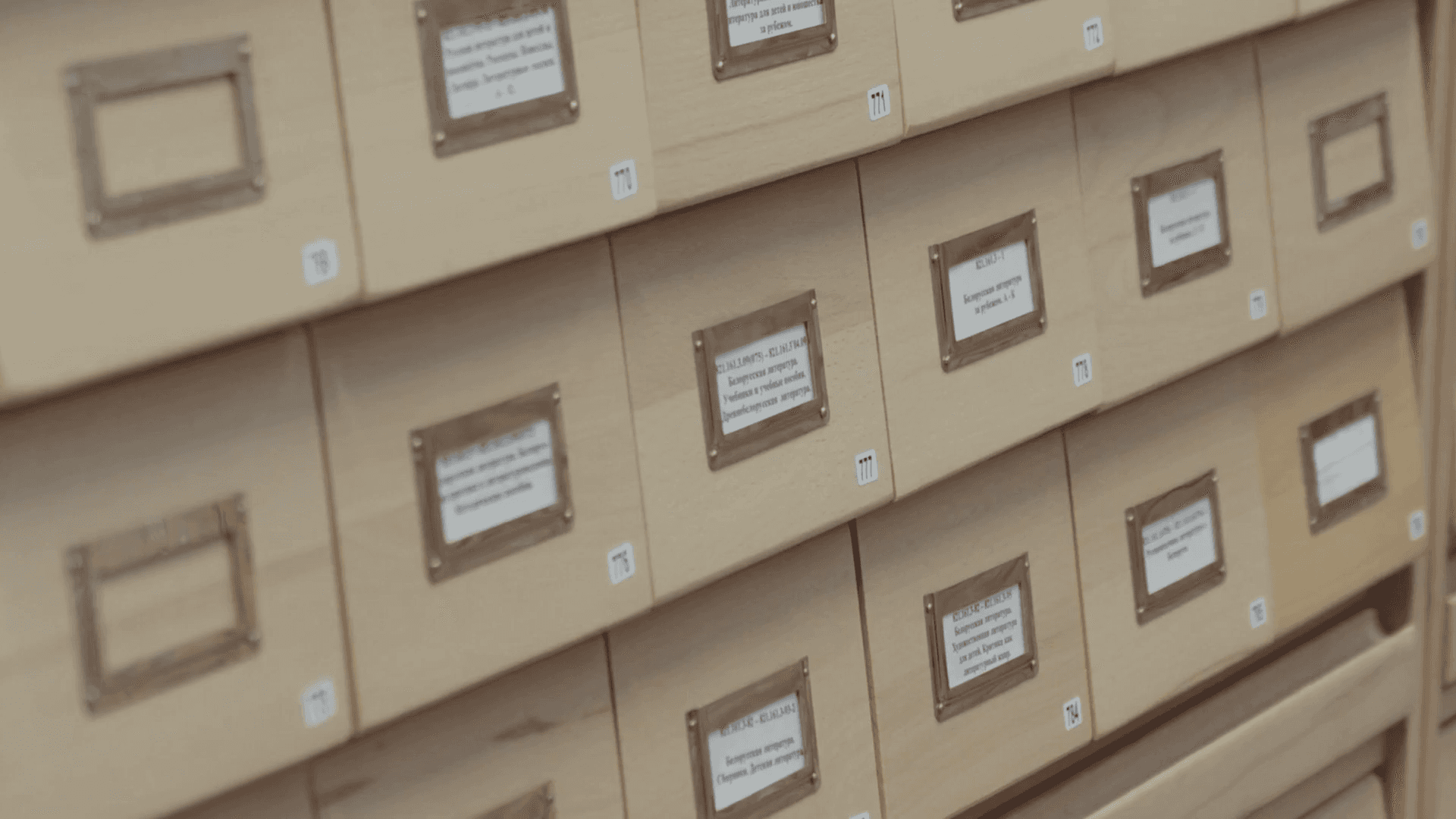
"Zettelkasten" literally translates to "slip box" in German. The word "zettel" means "slip," typically referring to a slip of paper or an index card, while "kasten" means "crate," akin to a box where these slips are stored. This unique method of note-taking was famously used by Nicholas Luhmann, a German sociologist. His application of this system was so effective that it allowed him to produce an astounding body of work: seventy books and hundreds of articles over a span of just over thirty years. This averages out to more than two books annually, in addition to numerous academic articles.
Zettelkasten means slip box in German. Nicholas Luhmann, a German sociologist, used this unique note taking system in order to track all his research.
So, how did Luhmann manage such prolific output? The answer lies in the simplicity and efficiency of the Zettelkasten method. It essentially requires three basic components:
Zettel - the slips of paper used for taking notes.
Kasten - the box or crate where these slips are organized.
A pen - for writing down thoughts and ideas.
This describes the traditional analog version of Zettelkasten, which is just as relevant today for those interested in organizing ideas systematically.
The Three Types of Notes in Zettelkasten
In the Zettelkasten method, there are three fundamental types of notes, or "zedel," that are essential to the system's effectiveness. These are fleeting notes, literature notes, and permanent notes. Each type serves a unique function and contributes to the overall efficiency of the Zettelkasten system.
Fleeting Notes
"These are the thoughts that come through our head as we go on our daily lives."
Fleeting notes are spontaneous and often elusive thoughts that arise during various activities in our daily lives. They can occur while we're in the shower, taking a walk, or even during a conversation with friends when a sudden insight strikes us. These thoughts tend to vanish quickly if not captured immediately, making it crucial to jot them down as soon as they occur.
Literature Notes
The second type of note is literature notes. These are created when consuming content such as books, articles, podcasts, YouTube videos, movies, or songs. The goal is to capture one atomic idea per note in a concise manner—typically no more than three to five sentences. Each note should be rewritten in your own words to ensure comprehension and internalization of the content. Additionally, it's important to record references to easily trace back the source of information.
Creating Permanent Notes: The Core of Zettelkasten
Creating permanent notes is a pivotal aspect of the Zettelkasten method. These notes are derived from a synthesis of our fleeting thoughts and literature notes. As we go through our day, we jot down fleeting notes, capturing spontaneous ideas and insights. Meanwhile, literature notes are taken while engaging with content, such as books or articles. The process of reviewing these two types of notes leads to the creation of permanent notes.
The transformation involves taking the input from fleeting and literature notes and distilling it into a clear and concise permanent note. This distillation process is crucial as it ensures that the knowledge is not only captured but also refined into something more enduring.
Sonke Arons, a researcher well-regarded in this field, emphasizes the significance of permanent notes by stating that "the productivity of a knowledge worker should be tracked by how many permanent notes you produce a day." This highlights the value placed on these nuggets of knowledge as markers of productivity.
To write an effective permanent note, there are several key rules to follow:
One Atomic Idea per Note: Each note should encapsulate a single idea. This ensures clarity and focus.
Express the Idea Clearly: Write as if the reader has no prior context about the topic. This practice enhances understanding and accessibility.
Connect with Other Notes: A fundamental part of Zettelkasten is linking each note with others in your system, creating a web of interconnected ideas that enhance retrieval and synthesis.
By adhering to these principles, you can build a robust system that not only captures ideas but also fosters insights and creativity.
Organizing Your Zettelkasten: The Box System
The rationale behind organizing a Zettelkasten using the box system is elegantly simple. The primary goal is to encapsulate one idea per note. This approach treats each note as a foundational building block, allowing you to rearrange and connect them with new or old ideas, even those that initially appear unrelated. This method aims to reduce complexity and facilitate the reorganization of ideas seamlessly.
Furthermore, it's essential to craft each note as if the reader lacks any prior context. This practice ensures that the system remains future-proof. We've all experienced jotting down a thought, convinced of its clarity, only to return later and find it utterly confusing. To prevent this, notes should clearly articulate ideas without requiring extensive context. This clarity ensures that both your present and future self can readily understand and utilize the notes.
Luhmann's two-box system effectively supports this approach by emphasizing a bottom-up organization where all notes are stored without hierarchical constraints.
"The way that Luhmann set this up was using only two boxes, two kastens."
This non-hierarchical organization is crucial as it allows for flexibility in connecting diverse ideas without being constrained by rigid structures.
Flexibility and Personalization in Zettelkasten
The Zettelkasten method thrives on connections. This is the core of the system, making your knowledge not only accessible but usable. Many of us have experienced learning isolated facts in school without understanding how to apply them or see the larger context. The Zettelkasten method is designed to help you think about the bigger picture by identifying and understanding the interconnections between various ideas.
The way that Luhmann set up his zettelkasten might not make sense to you per se.
The beauty of the Zettelkasten lies in its flexibility. Its simplicity allows for a lot of personalization, adapting to your unique way of thinking and organizing information. While Luhmann used a specific setup with only two boxes—reference and another category—this method can be adjusted to fit individual needs and preferences.
Adapting this method can mean organizing your notes in a way that best reflects how you think and process information. Whether it’s through digital tools or a traditional paper system, the flexibility allows for creativity in establishing connections that help you see how different ideas relate.
Whether you're using Luhmann's two-box system or inventing a new way to categorize your notes, the ultimate goal is achieving a comprehensive understanding of how different pieces of knowledge fit together.
Digital Zettelkasten: Tools and Techniques
In the digital age, the Zettelkasten method has evolved, embracing tools that enhance its flexibility and accessibility. A key element in this transition is the use of digital applications like Obsidian, which allows users to maintain and organize their notes efficiently.
I walk through my setup of zettelkasten in Obsidian.
Tools like Obsidian for Digital Note-Taking
Obsidian is one of the popular tools for implementing a digital Zettelkasten. It allows for a seamless organization of notes, enabling users to link ideas and see connections that might not be immediately apparent. Unlike traditional folder systems, Obsidian supports a bottom-up approach where notes are not forced into predefined categories. This flexibility helps maintain a multidisciplinary perspective, fostering creativity and innovation.
The traditional Zettelkasten system, as designed by Niklas Luhmann, used physical boxes to store different types of notes: literature notes, fleeting notes, and permanent notes. In its digital form, this system can be adapted to suit individual thinking styles and organizational preferences. Some users prefer all their notes in one place due to the ease of searching digitally.
Synchronizing Notes Across Devices
One significant advantage of a digital Zettelkasten is the ability to synchronize notes across multiple devices. This ensures that fleeting ideas can be captured immediately—whether on a phone or computer—preventing valuable insights from being lost due to lack of access.
How do you sync things between devices?
Syncing can be achieved through cloud services or applications that support multi-device access. This ensures that wherever you are, your Zettelkasten is available for you to add new thoughts or revisit previous ones.
Conclusion: The Impact of Zettelkasten on Creativity and Productivity
In exploring the profound impact of the Zettelkasten method, it's apparent how transformative it can be for both creativity and productivity. Many have found that since adopting this system, their ability to generate and organize ideas has significantly improved. As noted, "Ever since I started this, my creativity has increased."
The Zettelkasten approach, particularly when integrated with tools like Obsidian, not only enhances the ease of writing and content creation but also visually maps out connections between ideas. This method allows for an organic emergence of ideas that might not have been possible through traditional means.
For those not yet building a "second brain," it's worth considering how this system might streamline your workflow and spark new insights. The satisfaction of seeing your thoughts visually connect can be incredibly rewarding.
If you found this exploration into Zettelkasten helpful, consider giving it a thumbs up and subscribing for more insights into personal knowledge management systems. Future content will delve deeper into creating a robust system tailored to your needs. Stay tuned for more insights to come.
Mental reframe
Actionable frameworks content every week.
Subscribe (it’s free):